May 12, 2026
The beauty and personal care industry has long been a major part of the American economy, and hair salons continue to play a central role in that growth. From trendy urban studios to neighborhood beauty shops, salons provide services that help people look and feel their best while supporting thousands of small businesses nationwide. As consumer interest in self-care, grooming, and personal appearance continues to rise, the demand for professional hair services has remained strong across a wide range of demographics.
The modern salon industry is about much more than simple haircuts. Today's salons offer specialized coloring services, hair treatments, extensions, styling, scalp care, and personalized consultations designed to meet evolving customer preferences. Social media trends, celebrity influence, and the growing popularity of wellness culture have all contributed to increased spending on beauty services throughout the country.
The financial impact of the industry is substantial. According to Gitnux, revenue generated by the U.S. hair salon industry reached $47.5 billion in 2023, demonstrating the enormous size and continued expansion of the market. This growth highlights the important role salons play not only in personal care but also in local economies and employment opportunities.
Consumers today also place greater value on convenience, customer service, and personalized experiences, which has increased demand for the trusted local hair salon experience. As the industry evolves, salon owners are adapting to changing customer expectations, new technologies, and shifting beauty trends to remain competitive.
In this article, we will explore the size and growth of the U.S. salon industry, the factors driving its expansion, the challenges salon owners face, and why the local hair salon continues to be an essential part of communities across the country.
Understanding the Economic Impact of the Salon Industry
The salon industry contributes significantly to the American economy through employment, consumer spending, and small business development. Hair salons operate in nearly every city and town, creating accessible career opportunities for stylists, color specialists, receptionists, managers, and beauty professionals.
Many salons are independently owned businesses, making the industry especially important for entrepreneurship and local economic growth. Small salon owners often invest heavily in their communities by leasing commercial spaces, purchasing supplies from nearby vendors, and hiring local workers.
The popularity of beauty services has also expanded beyond traditional demographics. Men's grooming services, specialty treatments, textured hair care, and luxury salon experiences have all become increasingly common. These evolving services help businesses diversify revenue streams while attracting a wider customer base.
The average local hair salon now competes not only through pricing but also through customer experience, online visibility, and personalized service offerings. Consumers are seeking salons that provide comfort, expertise, and consistent results rather than simply basic haircuts.
Additionally, salon spending tends to remain relatively resilient even during economic uncertainty. While consumers may reduce luxury purchases in difficult financial periods, many still prioritize hair care and grooming services as part of their regular routines. This ongoing demand contributes to the industry's long-term stability and growth potential.
Exploring the Growing Demand for Personalized Beauty Services
One of the biggest drivers behind salon industry growth is the increasing demand for personalized beauty services. Customers today expect customized consultations and individualized recommendations tailored to their hair type, lifestyle, and personal style goals.
Modern clients are often more educated about beauty products and trends due to social media platforms, online tutorials, and influencer content. As a result, salon professionals are expected to stay current with evolving techniques and fashion trends.
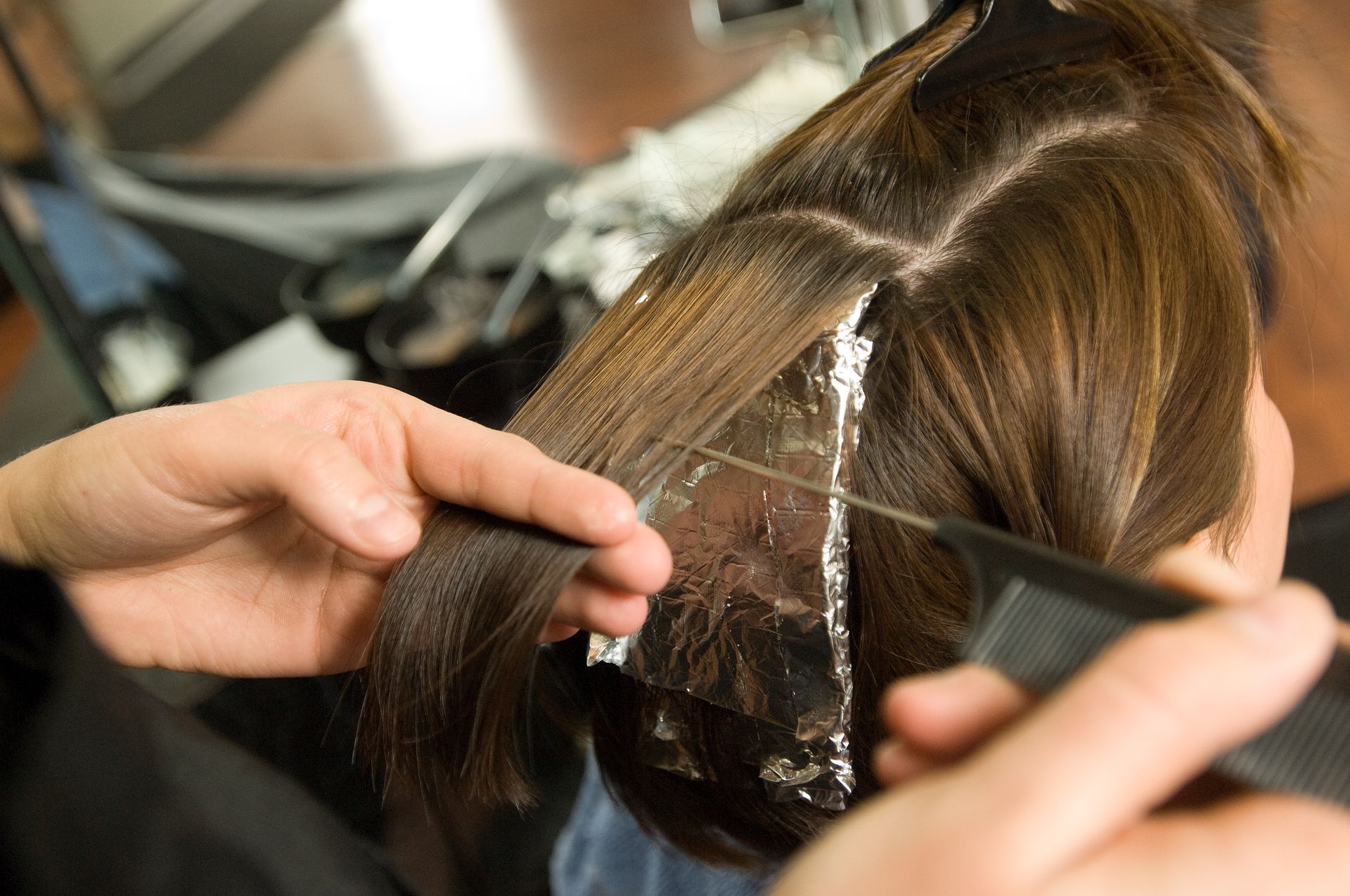
Color services have become particularly popular in recent years. Balayage, highlights, vivid colors, and corrective treatments require advanced skills that many consumers prefer to leave to experienced professionals. This growing demand for specialized expertise has increased the value of professional salon services.
The local hair salon experience also appeals to customers seeking personal relationships and trust. Many clients remain loyal to specific stylists for years because of the comfort and familiarity they provide. Building long-term customer relationships continues to be one of the most important aspects of salon success.
Consumers are also increasingly interested in healthier hair care options. Organic products, sulfate-free treatments, and scalp-focused services are gaining attention among customers seeking wellness-oriented beauty experiences.
As customer expectations continue evolving, salons that prioritize education, customization, and customer care are often best positioned for long-term growth.
Examining the Role of Technology in Salon Growth
Technology has transformed nearly every aspect of the salon industry. From appointment scheduling to digital marketing, modern salons rely heavily on technology to attract customers and improve operations.
Online booking systems have become a standard feature for many businesses. Clients appreciate the convenience of scheduling appointments through websites or mobile apps without needing to call during business hours. Automated reminders also help reduce missed appointments and improve scheduling efficiency.
Social media has become one of the most powerful marketing tools for salon owners. Platforms like Instagram, TikTok, and Facebook allow stylists to showcase their work, attract new customers, and build brand recognition. Before-and-after transformations, styling videos, and customer testimonials often play a major role in influencing consumer decisions.
Many local hair salon businesses now use digital consultations, online product sales, and customer loyalty programs to strengthen relationships with clients. Technology helps salons stay competitive while improving convenience for both customers and staff.
Advanced salon software also helps owners manage payroll, inventory, customer records, and financial reporting more efficiently. These tools allow businesses to streamline operations and focus more attention on customer satisfaction.
As technology continues evolving, salons that embrace digital tools and online engagement are likely to remain more competitive in an increasingly crowded marketplace.
Understanding the Importance of Skilled Professionals
The success of any salon ultimately depends on the talent and expertise of its professionals. Skilled stylists are the foundation of the industry, and demand for experienced beauty specialists continues to grow.
Becoming a licensed cosmetologist requires formal education, training, and ongoing skill development. Many professionals continue attending workshops and certification courses throughout their careers to stay current with new techniques and industry trends.
The beauty industry is highly relationship-driven, and customers often develop strong loyalty to stylists they trust. A knowledgeable and personable stylist can significantly influence a salon's reputation and long-term success.
The local hair salon environment also provides opportunities for mentorship and career growth. Many experienced professionals help train newer stylists, contributing to workforce development within the industry.
Labor shortages, however, remain a challenge in some areas. Recruiting and retaining talented professionals has become increasingly competitive as demand for experienced stylists grows. Salons that offer supportive work environments, flexible scheduling, and professional development opportunities are often better able to attract top talent.
As beauty standards and customer preferences continue changing, ongoing education and skill development will remain essential for salon professionals across the country.
Recognizing the Community Value of Local Salons
Hair salons often serve as more than just businesses within a community. They are social spaces where people gather, build relationships, and connect with trusted professionals.
The local hair salon experience creates a sense of familiarity and comfort that large corporate chains may struggle to replicate. Many salons become deeply rooted in their neighborhoods, developing loyal customer bases that span generations.
Salons also support local economies by creating jobs and contributing to nearby businesses. Customers visiting salons frequently shop, dine, or run errands in surrounding commercial areas, helping strengthen community commerce.
In many cases, salon owners actively participate in local events, charities, and fundraising initiatives. Their involvement helps build stronger community ties while reinforcing customer loyalty.
Now is the perfect time to support your local hair salon, book your next appointment, and experience the value of professional hair care from trusted beauty experts in your community. Visit Chic Hair Designs Inc today!